Tactical Gear Maintenance & Lifecycle Management: Knowing When to Upgrade Custom Uniforms
Replace your custom tactical apparel when the fabric thins, seams tear, stitching frays, or gear fails to perform its job. Most tactical uniforms last 1 to 3 years with regular use. Heavy-duty missions cut that number down. If your gear is ripped, faded, or no longer fits right, it’s time for new gear. Waiting too long puts your team at risk. Hash Tactical helps units build a replacement plan so nobody is caught wearing worn-out gear in the field.
Why Tactical Apparel Wear-and-Tear Matters
Tactical uniforms are not regular clothes. They protect officers, soldiers, and security teams during high-stress jobs. A torn uniform can snag on gear. A stretched-out vest carrier can shift at the wrong moment. Worn fabric can rip open during a foot chase or a training drill.
This is why tracking the durability of custom tactical clothing matters so much. Gear that looks fine from a distance can be failing where it counts. Small problems grow into big problems fast under daily stress.
Procurement managers and unit leaders carry the responsibility here. A clear replacement schedule keeps every team member safe and ready.
Average Tactical Uniform Lifespan
There is no single answer for every unit. Tactical uniform lifespan depends on the job, the fabric, and how often the gear gets used. Here is a general breakdown.
| Gear Type | Light Use (office, admin) | Moderate Use (patrol, training) | Heavy Use (tactical ops, combat) |
|---|---|---|---|
| Uniform pants/shirts | 3-4 years | 1.5-2 years | 6-12 months |
| Load-bearing vests | 4-5 years | 2-3 years | 1-2 years |
| Boots | 2-3 years | 1 year | 4-8 months |
| Gloves | 1-2 years | 6-12 months | 3-6 months |
| Outer shell jackets | 4-5 years | 2-3 years | 1-1.5 years |
These numbers are starting points, not hard rules. A unit running daily field drills in rough terrain will burn through gear faster than a desk-based team that wears uniforms for meetings and light patrol.
Signs of Wear on Tactical Gear
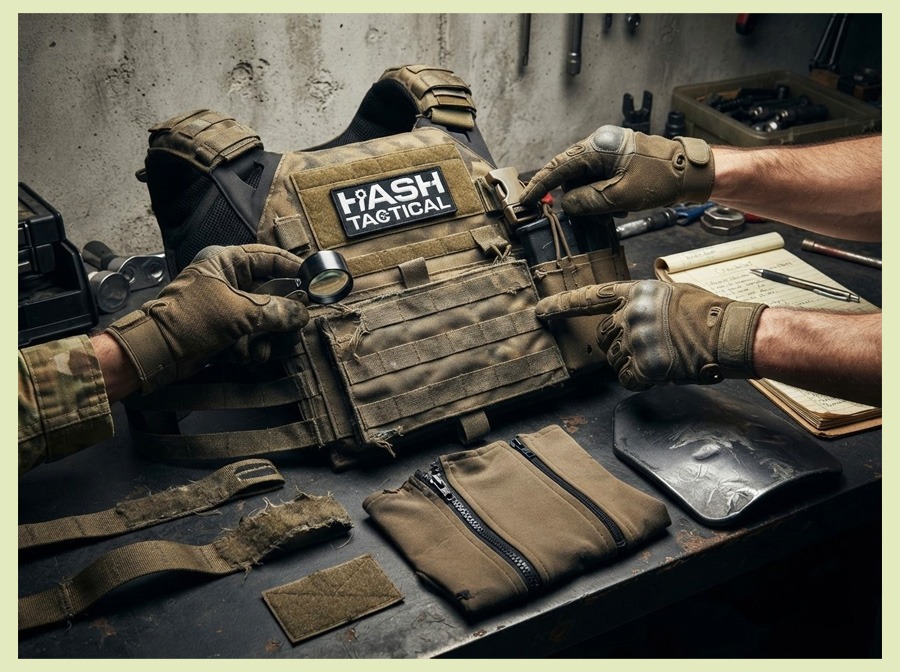
Knowing the signs of wear on tactical gear helps you catch problems early. Don’t wait for a uniform to fail during a mission. Check gear often and look for these red flags.
Fabric and Material Issues
- Thinning or see-through fabric at the knees, elbows, or seat
- Fading that signals UV and wash damage weakening the fibers
- Small holes that grow with every wash
- Stiff or cracked fabric that no longer flexes
Structural and Stitching Problems
- Loose or unraveling seams
- Broken or rusted zippers
- Snaps and buttons that no longer hold
- Velcro that won’t grip anymore
Fit and Function Failures
- Gear that no longer fits due to shrinking or stretching
- Pockets that tear under the weight of gear
- Reinforced knees or elbows that have worn through
- Reflective tape or ID patches peeling off
If you spot two or more of these signs on one piece of gear, it’s time to plan for a replacement.
Law Enforcement Uniform Replacement Guidelines
Many departments follow internal policy for uniform replacement, but general law enforcement uniform replacement guidelines point to a few shared standards.
- Annual Inspection: Every officer’s gear should get a hands-on check once a year, minimum.
- Post-Incident Review: Any uniform involved in a physical altercation, chase, or accident should be inspected right away, even if damage isn’t obvious.
- Seasonal Rotation: Departments often rotate summer and winter gear, which naturally spreads out wear.
- Budget Cycles: Many agencies tie replacement schedules to fiscal year budgets, ordering new gear in batches.
Private security teams and tactical athletes can borrow from these same guidelines. The details change, but the logic stays the same: check often, replace before failure, not after.
Heavy-Duty Tactical Apparel Maintenance Tips
Good maintenance stretches the life of your gear. Heavy-duty tactical apparel maintenance isn’t complicated, but it does take consistency.
Washing and Cleaning
- Follow the tag. Tactical fabrics often need cold water and mild detergent.
- Skip the fabric softener. It can break down water-resistant coatings.
- Air dry when possible. High heat from dryers weakens fibers over time.
Storage
- Store gear flat or on wide hangers, not crammed in a bag.
- Keep uniforms away from direct sunlight when not in use.
- Let sweaty or wet gear dry fully before storing it.
Repairs
- Fix small tears fast before they spread.
- Replace broken zippers and snaps right away.
- Re-stitch loose seams instead of waiting for a full blowout.
Good habits buy you extra months, sometimes an extra year, of solid use. But maintenance can only do so much. Fabric fatigue and structural wear will always catch up eventually.
When to Upgrade Tactical Gear: A Quick Checklist
Use this checklist to decide when to upgrade tactical gear on your team.
- Fabric is thin, faded, or see-through
- Seams or stitching are coming apart
- Zippers, snaps, or Velcro no longer work
- Gear no longer fits the wearer correctly
- Reinforced areas (knees, elbows) show holes
- Gear was damaged in an incident or heavy use
- It has been more than 2-3 years since last full replacement
- Repairs cost more than 40% of a new uniform’s price
If you check three or more boxes, start budgeting for new gear now, not later.
Custom Gear vs. Off-the-Shelf: Which Lasts Longer?
Custom tactical apparel usually outlasts stock, off-the-shelf gear. Here’s why.
| Factor | Custom Tactical Apparel | Off-the-Shelf Gear |
|---|---|---|
| Fit | Built to each body, less stress on seams | Generic sizing, more strain on fabric |
| Fabric Choice | Selected for the specific job | Often mass-market fabric |
| Reinforcement | Added where the team needs it most | Standard reinforcement only |
| Team Branding | Consistent patches, colors, ID | May vary batch to batch |
| Long-Term Cost | Higher upfront, lower replacement rate | Lower upfront, higher replacement rate |
A uniform built around how your team actually moves and works will hold up better than something built for a general customer. This is one reason agencies and private teams turn to Hash Tactical for custom builds instead of buying off the rack.
Tactical Gear Lifecycle: When to Replace Your Uniform
A quick visual guide to spotting wear, tracking lifespan, and knowing when it’s time to upgrade.
Gear Lifespan by Use Level
| Gear | Light Use | Moderate Use | Heavy Use |
|---|---|---|---|
| Uniform shirt/pants | 3–4 yrs | 1.5–2 yrs | 6–12 mo |
| Load-bearing vest | 4–5 yrs | 2–3 yrs | 1–2 yrs |
| Boots | 2–3 yrs | 1 yr | 4–8 mo |
| Gloves | 1–2 yrs | 6–12 mo | 3–6 mo |
Signs of Wear to Watch For
Fabric
- Thin or see-through spots
- Fading from sun and wash
- Holes that keep growing
- Stiff, cracked material
Stitching
- Loose or unraveling seams
- Broken or rusted zippers
- Snaps that won’t hold
- Velcro that won’t grip
Fit & Function
- No longer fits right
- Pockets tearing at seams
- Worn-through knees, elbows
- Peeling ID patches, tape
Replace-It Checklist
Custom Gear Lasts Longer
Is your team’s gear showing its age?
Shop Hash Tactical GearCustom, durable tactical apparel built for extreme conditions.
Building a Replacement Plan for Your Team
A good plan takes the guesswork out of gear management. Here’s a simple framework for procurement managers and unit leaders.
- Inventory Everything: List every piece of gear per team member, with purchase dates.
- Set Inspection Dates: Schedule inspections quarterly or after major incidents.
- Track Wear Reports: Keep a simple log of reported issues per uniform.
- Budget Ahead: Plan replacement costs into the yearly budget, not as a surprise expense.
- Order in Batches: Bulk ordering custom gear often reduces per-unit cost and keeps sizing consistent across the team.
This kind of planning turns gear replacement from a reactive scramble into a routine part of team operations.
FAQ: Custom Tactical Apparel Replacement
A: Most gear needs replacement every 1 to 3 years, depending on how often it’s used. Heavy daily use can cut that to under a year.
A: Small tears and loose stitching can often be repaired. But once fabric thins out or seams fail repeatedly, repair costs add up and replacement makes more sense.
A: Yes, in most cases. A proper fit and job-specific fabric reduce the stress that causes early wear.
A: Gear failure at the wrong moment. A ripped pocket, a broken zipper, or a stretched vest carrier can all slow down a response when speed matters most.
A: A simple rule: if repair costs run above 40% of a new uniform’s price, replacement is usually the smarter move.
Final Word About The Replace Time of Wear Tactical Apparel
Worn-out gear is more than an appearance problem. It’s a safety and performance issue. Watch for the signs of wear on tactical gear, follow a regular inspection schedule, and don’t wait until something fails in the field.
Is your team’s gear showing its age? Consult with our specialists today to design durable, high-performance custom tactical apparel built for extreme conditions.