7 Features to Add to Custom Tactical Apparel
The best custom tactical apparel has seven core features: modular MOLLE attachments, moisture-wicking fabric, reinforced stitching, temperature control, smart pocket design, weather-resistant coating, and role-specific branding. Skip any one of these, and your gear will fail you when it matters most. This guide breaks down each feature, why it matters, and how to pick the right partner to build it.
Why Feature Choice Matters More Than Looks
A lot of buyers pick tactical apparel based on color or style. That’s a mistake. Gear that looks tough but falls apart in the field puts your team at risk.
Custom tactical apparel is different from off-the-shelf gear. It’s built for a specific job, a specific climate, and a specific team. The right features turn a plain uniform into a tool that works as hard as the person wearing it.
Below are the seven features that separate solid tactical gear from gear that just looks the part.
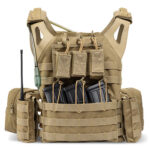
1. MOLLE-Compatible Modular Attachments
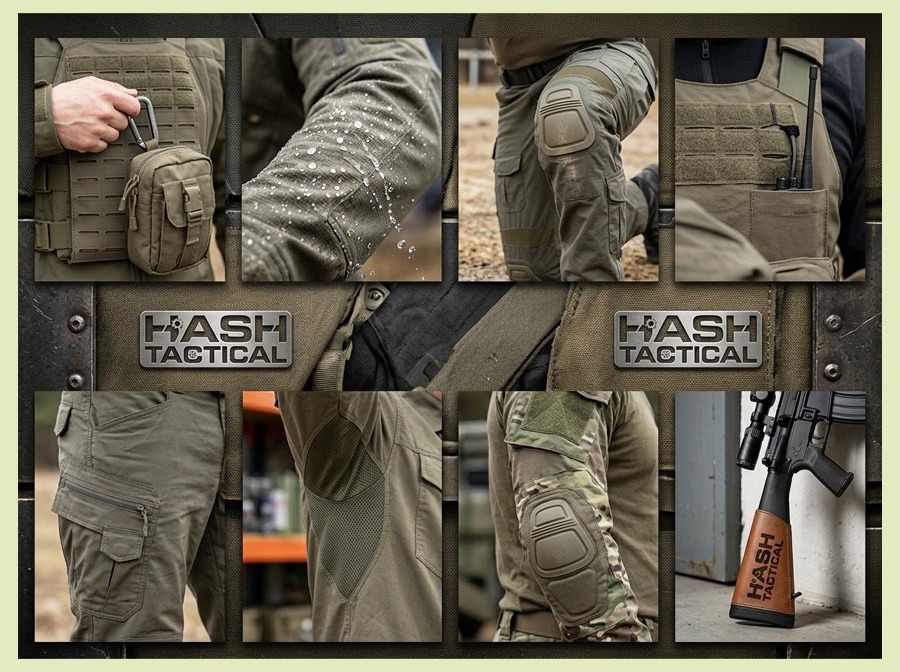
MOLLE stands for Modular Lightweight Load-carrying Equipment. It’s a grid of webbing sewn onto vests, pants, and packs. It lets users attach pouches, holsters, and tools wherever they need them.
Modular attachments are one of the biggest trends in tactical gear right now. Teams want apparel that adapts to the mission instead of forcing the mission to fit the gear.
Why it matters:
- Users can add or remove gear in seconds
- One uniform works for many different roles
- No need to buy separate gear for separate tasks
Ask your manufacturer to place MOLLE webbing on the chest, sides, and legs. That gives the most flexibility for pouches and tools.
2. Moisture-Wicking, Breathable Fabric
Sweat is the enemy of comfort and focus. Heavy, non-breathable fabric traps heat and moisture against the skin. That leads to chafing, fatigue, and slower reaction time.
Moisture-wicking fabric pulls sweat away from the body and lets it evaporate fast. Breathable weaves let air move through the fabric, so the wearer stays cooler during long shifts or missions.
Look for:
- Polyester or nylon blends with wicking treatment
- Mesh panels under the arms and along the back
- Lightweight ripstop fabric for warm climates
Industry data backs this up. Buyers today expect performance-first fabric, not just tough-looking material. Nearly half of professional users say lightweight, breathable fabric is a top priority when picking uniforms.
3. Reinforced Stitching in High-Stress Zones
Tactical apparel takes a beating. Knees hit the ground. Elbows scrape against walls and gear. Shoulders carry straps and packs all day.
Reinforced stitching adds extra layers of thread or fabric at these stress points. It’s a small detail that makes a big difference in how long gear lasts.
Key zones to reinforce:
| Zone | Why It Wears Out | Fix |
|---|---|---|
| Knees | Kneeling, crawling | Double-stitched panels |
| Elbows | Bracing, climbing | Articulated, reinforced cuffs |
| Seat | Sitting in vehicles, gear | Bar-tack stitching |
| Shoulders | Pack straps, rifle slings | Reinforced yoke seams |
Cheap uniforms fall apart at these exact spots first. A survey of tactical buyers found that most users rank durability as a top concern, right behind comfort.
4. Temperature Regulation
One uniform often has to work in freezing mornings and hot afternoons. Temperature-regulating fabric adjusts to keep the wearer comfortable through both.
Some fabrics trap heat when it’s cold and release it when it’s warm. Others use layering systems that let users add or remove pieces as the temperature shifts.
Options to request:
- Base layers with thermal regulation
- Zip vents under the arms
- Removable liners for jackets
This feature matters most for teams that work outdoors across seasons, like law enforcement, security, and outdoor training groups.
5. Smart Pocket and Cargo Design
Pockets sound simple, but bad pocket placement can slow a person down when seconds count. Good cargo design puts the right storage in the right place, without adding bulk.
What good pocket design includes:
- Deep leg pockets that don’t flap while walking or running
- Chest pockets sized for radios or notebooks
- Hidden zip pockets for ID or cash
- Low-profile design that doesn’t snag on gear
Too many pockets in the wrong spots can actually hurt mobility. A good manufacturer will ask about your team’s daily tasks before finalizing pocket placement.
6. Weather-Resistant Coating
Rain, mud, and wind are part of the job for most tactical teams. A weather-resistant coating protects the fabric and the wearer without adding heavy weight.
Newer coatings skip harmful chemicals and use PFC-free water repellents instead. These coatings still block water but are safer for the environment and the skin.
Benefits of weather-resistant coating:
- Keeps the wearer dry in light rain
- Repels mud and stains
- Extends the life of the fabric
This feature is becoming a standard request, not a luxury add-on, as more buyers care about both performance and sustainability.
7. Role-Specific Branding and ID Features
Custom tactical apparel isn’t just about function. It also needs to show who someone is and what team they belong to. This matters for command visibility, morale, and safety.
Branding features to include:
- Embroidered or laser-cut unit patches
- Name tape with hook-and-loop backing
- Rank or role identifiers
- Laundry-proof printing that survives repeated washing
Branding should be built to survive years of wear, not just look good on day one. Poor-quality prints crack and fade fast, which makes a team look unprofessional in the field.
Quick Comparison: All 7 Features at a Glance
| Feature | Main Benefit | Best For |
|---|---|---|
| MOLLE attachments | Flexibility for different missions | Multi-role teams |
| Moisture-wicking fabric | Comfort in long shifts | Hot climates, active duty |
| Reinforced stitching | Longer gear lifespan | Field-heavy roles |
| Temperature regulation | Comfort across seasons | Outdoor, year-round teams |
| Smart pocket design | Faster access to gear | Fast-response roles |
| Weather-resistant coating | Protection from rain and mud | Outdoor and coastal teams |
| Role-specific branding | Team identity and safety | Command, law enforcement |
How to Choose the Right Manufacturer
Not every apparel company can deliver all seven features well. Some focus only on looks. Others cut corners on fabric to save cost.
When picking a partner, ask these questions:
- Can they show samples of reinforced stitching, not just describe it?
- Do they offer fabric testing data, like water resistance ratings?
- Can they customize pocket and MOLLE placement per unit or per person?
- How long does production take for a custom order?
- Do they offer laundry-proof branding options?
Hash Tactical builds custom apparel around these exact questions. The team at Hash Tactical works directly with buyers to map out fabric, fit, and features before production starts. That means fewer surprises and gear that actually holds up in the field.
If you’re comparing manufacturers, ask each one to walk you through all seven features listed above. If they can’t answer clearly, that’s a red flag.
7 Features to Add to Custom Tactical Apparel
Bottom line: gear built without these 7 features fails in the field. Check for all seven before you order.
MOLLE attachments
Modular webbing so users add or remove gear fast.
Multi-role teamsMoisture-wicking fabric
Pulls sweat away so wearers stay cool and focused.
Hot climatesReinforced stitching
Extra thread at knees, elbows, and seams stops early wear.
Field-heavy rolesTemperature regulation
Fabric that adapts from cold mornings to hot afternoons.
Year-round teamsSmart pocket design
Storage placed for fast access, not just extra pockets.
Fast-response rolesWeather-resistant coating
Repels rain and mud without adding heavy weight.
Outdoor teamsRole-specific branding
Patches and name tape that survive years of washing.
Command & IDFrequently Asked Questions
There’s no single “most important” feature. Fabric quality and reinforced stitching usually matter most for durability, while MOLLE compatibility matters most for flexibility. The right mix depends on the job.
Custom apparel often costs more upfront because of tailored sizing and added features. But it usually lasts longer and fits better, which can lower cost per year of use.
Most manufacturers, including Hash Tactical, work with both small teams and large organizations. Minimum order sizes vary, so it’s worth asking directly.
Production time depends on order size and feature complexity. Simple orders can take a few weeks. Larger orders with custom branding may take longer.
Yes, in most cases. Many PFC-free and eco-friendly fabrics now match or beat older materials in durability testing, while being safer for the environment.
Final Word
Custom tactical apparel is only as good as the features built into it. MOLLE compatibility, breathable fabric, reinforced stitching, temperature control, smart pockets, weather resistance, and solid branding all work together to keep a team safe, comfortable, and ready.
Skipping even one of these can mean gear that fails at the worst possible time.
👉 Ready to build tactical apparel with all seven features done right? Talk to the Hash Tactical team today and get a custom quote for your unit.