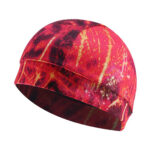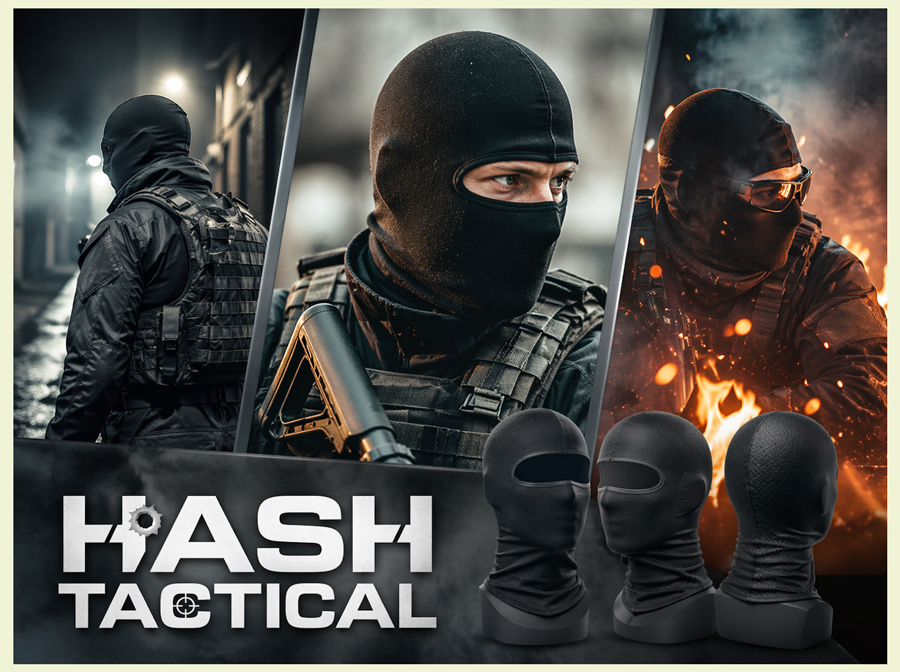
Listen up. Most civilians look at a balaclava and think of a bank heist or a ski slope. But in our world, that piece of fabric is a layer of survival. It’s an identity shield, a thermal regulator, and a barrier against the elements that want to peel the skin off your face.
I’ve worn them in the freezing mountain air where every breath felt like swallowing glass. I’ve worn them in the desert where the wind-blown sand felt like a belt sander against my cheeks. If you’re operating in the shadows or the snow, you need to understand why this humble piece of “Cut & Sew” kit is a staple for every elite unit on the planet.
What Is a Balaclava Used For? A Tactical Primer
The Night the Sand Bit Back
I remember an extraction mission in a high-wind environment. We were waiting for the bird, and the rotor wash kicked up a wall of fine, abrasive silt. One of the new guys didn’t have his face covered. Within minutes, his eyes were red, his nose was bleeding, and he couldn’t stop coughing.
I pulled my lightweight balaclava up over my nose and lowered my goggles. I could breathe, see, and stay in the fight. At Hash Tactical, we don’t just make headgear; we make environmental filters. We build the gear that keeps your face intact when nature decides to get ugly.
The Identity Factor
In the age of high-definition cameras and facial recognition, anonymity is a weapon. For many professional units, the primary use of a head covering is to protect the operator and their family from being identified.
It’s about “Signature Management.” You want to blend into the shadows. You want to break up the recognizable “human” shape of the face. A matte-black or camouflage head covering does more for your stealth than a dozen bushes.
Primary Uses of a Tactical Balaclava
1. Thermal Protection (Flash and Cold)
Fire is a constant threat in vehicle ops or CQB. A fire-resistant headpiece can prevent second-degree burns from a flash-bang or a fuel flare-up. On the flip side, in sub-zero temperatures, your face is where you lose a massive amount of heat. Covering it keeps your core temp stable.
2. Debris and Abrasive Protection
Think about hot brass, flying glass, and stinging rain. A thin layer of performance fabric acts as a buffer. It won’t stop a bullet, but it’ll stop the “nuisance” injuries that distract you from your target.
3. Camouflage and Silhouette Breaking
The human face is a series of light and dark circles (eyes, mouth). It’s easy for the eye to spot. A sublimated camo pattern on your headpiece disrupts those lines. It turns your head into just another shadow in the brush.
Materials: The Science of Breathability
| Material Type | Primary Benefit | Best Environment |
| Nomex / FR Rayon | Fire Resistance | CQB, Vehicle Ops, Flash Protection. |
| Merino Wool | Moisture/Odor Control | Alpine, Cold Weather, Long-Duration. |
| Polyester/Spandex | High Breathability | High-Activity, Summer, Training. |
| Polar Fleece | Maximum Insulation | Static positions in extreme cold. |
The Multi-Hole Design
You’ve got the “Single Hole” (Ninja style), the “Three-Hole” (Classic style), and the “Open Face.” For tactical work, the single-hole or open-face is king. Why? Because you need to interface with goggles and headsets.
Moisture-Wicking Tech
If your breath freezes on the fabric, you’re in trouble. We use advanced moisture-wicking knits. They pull the humidity from your breath and push it to the surface so it can evaporate. This prevents your goggles from fogging up—a critical failure point for any operator.
The Anatomy of a Tactical Headpiece
The Hinge Design
A top-tier balaclava should have a hinged front. This allows you to pull the nose piece down under your chin without stretching the whole garment out of shape. You can drink, talk on the radio, or cool off during a hike without taking your helmet off.
Flat-Lock Stitching
Standard seams are bulky. They rub against your skull when you’re wearing a ballistic helmet for twelve hours. We use flat-lock stitching in our “Cut & Sew” process. It’s a low-profile seam that stays flat, preventing the “pressure headaches” that ruin your focus.
Integrating with Your Kit
The Helmet Interface
Your headgear has to play nice with your helmet’s suspension system. If it’s too thick, your helmet won’t fit right. If it’s too slippery, the helmet will slide. We design our tactical gear to be thin enough to feel like a second skin but rugged enough to stay put.
Comms and Ear Protection
The fabric must be thin over the ears. If it’s too dense, it will muffle your surroundings or interfere with your active ear pro. You need to hear the “click” of a safety or the whisper of a teammate. We use specialized mesh panels in the ear zones to ensure situational awareness isn’t sacrificed.
The Manufacturing Edge at Hash Tactical
As a tactical gear manufacturer, we understand that “One Size Fits All” is a lie. We focus on ergonomic patterns that follow the contours of the jaw and neck. We don’t want extra fabric bunching up under your chin and getting caught in your plate carrier.
Our sublimation process allows us to print high-resolution camouflage directly into the fibers. This means your camo won’t fade from your breath or the sun. We build gear for the long haul, using the same “Cut & Sew” precision we apply to our elite unit jerseys.
Field Maintenance: Don’t Breathe in the Grime
- Wash Regularly: Your breath carries bacteria. A dirty face-mask will give you “Tactical Acne” or worse.
- No Scented Detergents: In the field, the smell of “Spring Meadow” laundry soap is a dead giveaway to the enemy’s nose. Use scent-free soap.
- Check the Elastic: Over time, the spandex will break down. If it starts to sag off your nose, it’s time for a replacement.
- Air Dry: Keep it away from high heat. Synthetics can lose their shape and fire-resistance if they get too hot in a dryer.
Frequently Asked Questions (FAQ)
A: It can if the nose-bridge isn’t designed right. Look for a design that directs your breath downward and uses moisture-wicking fabric to keep the humidity away from your lenses.
A: Yes, if it’s a lightweight polyester blend. It actually helps keep you cool by wicking sweat and protecting your skin from direct sun-scald.
A: Only if you are at risk of fire. For most hikers or airsoft players, a standard polyester/spandex blend is more comfortable and more breathable.
Mission Complete. Cover your face, protect your identity, and stay in the fight.
👉 Looking for more than just tactical gear? USAteamwear.com offers a fantastic range of custom teamwear for various sports and activities. Check them out to outfit your entire group!