The Ultimate Buyer’s & Gear Guide to Tactical Pads for Airsoft, Paintball, and Field Training
Most players should pick a low-profile hard-cap knee pad with a soft foam base, plus slim flexible elbow pads. This combo gives the best mix of protection, comfort, and speed. If you play in hot weather or run a lot, go with integrated G3 combat pant inserts instead. If you crawl, slide, and kneel on rough ground, choose hard shell caps. This guide explains the main tactical pads, how they compare, and how to stop the common problems like slipping and sweat. Use it to pick pads that fit your game and your budget.
Quick Picks: What Should You Buy?
| Your Situation | Best Pad Style | Why |
|---|---|---|
| Airsoft on rough terrain | Hard-cap knee pads + flex elbow pads | Stops rocks, roots, and hard hits |
| Speedball paintball | Soft EVA foam or flex rubber pads | Light and easy to slide in |
| MilSim (long events) | Integrated G3 pant knee pads + slim elbows | Less bulk, less heat |
| Cadet or field training | Hard-shell knee pads with straps | Handles daily kneeling and crawling |
| Hot climates | Moisture-wicking pads with vented foam | Keeps skin drier |
Why Joint Protection Matters in Field Sports
Knees and elbows hit the ground more than any other body part. You kneel to aim and crawl under cover. You dive behind barriers.
Here is what pads help prevent:
- Bruises from hard landings
- Scrapes from gravel and dirt
- Sharp pain from kneeling on rocks or roots
- Bone bruises from repeated impacts
- Pellet or paintball welts on the joint
Pads also help you play better. When your knees don’t hurt, you take better shots and move with more confidence. Sore joints make players hesitate, and hesitation gets you tagged.
A note on safety: pads reduce injury risk, but they do not make you immune. If you have a past joint injury, talk to a doctor about the right level of protection.
The Two Main Pad Styles
Almost every pad falls into one of two groups. Knowing the difference saves you money.
1. External Strap-On Pads
These pads sit outside your pants. They use straps or elastic sleeves to stay on.
Pros:
- Easy to put on and take off
- Fit almost any pants
- Available in many sizes and strengths
- Simple to replace when worn out
Cons:
- Can slip during fast movement
- Add bulk you may notice
- Straps can dig into the back of the knee
- Can snag on brush
2. Integrated Combat Pant Inserts
These pads slide into pockets built into your pants. Many players know this style from G3 combat pants, which have knee pockets and often elbow pockets on the shirt.
Pros:
- Stay in place because they are inside the fabric
- Slim, clean look
- No straps to bother you
- Stay cooler than a full sleeve
Cons:
- Only work with pants that have pockets
- Less coverage on the sides
- Thinner foam means less shock absorption
- Hard to adjust on the field
Simple rule: If you want speed and comfort, go integrated. If you want maximum protection, go external.
Hard Shell vs Flex Rubber Joint Armor
This is the biggest choice most buyers face. Let’s break it down.
Hard Shell Pads
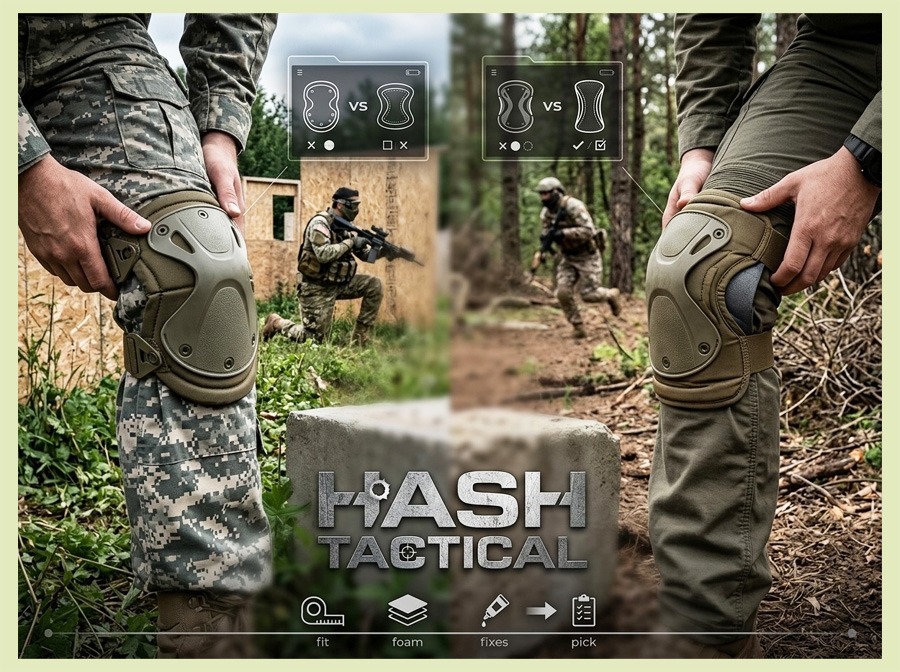
A hard shell pad has a tough plastic cap on top of a foam base. The cap spreads out the force of a hit. It also lets you slide over rough ground without catching.
Best for: Rocky fields, woods, concrete, and training with lots of kneeling.
Watch out for: Extra weight, a stiffer feel, and noise if the plastic hits another hard object.
Flex Rubber and Foam Pads
Flex pads bend with your body. They use soft rubber or dense foam. They feel more like a second skin.
Best for: Speedball, indoor arenas, and players who move a lot.
Watch out for: Less protection from sharp objects. They also wear down faster on rough ground.
Side-by-Side Comparison
| Feature | Hard Shell | Flex Rubber / Foam |
|---|---|---|
| Impact protection | High | Medium |
| Comfort | Medium | High |
| Mobility | Medium | High |
| Weight | Heavier | Lighter |
| Slide ability | Excellent | Fair |
| Heat buildup | Medium | Lower |
| Best terrain | Rough, rocky | Flat, smooth |
| Price range | Mid to high | Low to mid |
Middle option: Many pads now mix both. They use a slim hard cap over flexible foam. For most players, this is the sweet spot.
Understanding EVA Foam Impact Protection
EVA foam is common in tactical pads. It stands for ethylene-vinyl acetate. It is the same kind of foam found in many sneakers and yoga mats.
Why gear makers like it:
- It is light
- It absorbs shock well
- It does not soak up water
- It holds its shape over time
- It is cheap to produce, so pads stay affordable
How to judge foam quality:
- Thickness: Most good knee pads use about 10 to 20 mm of foam. Thicker foam absorbs more, but adds bulk.
- Density: Dense foam protects better. Very soft foam may squish flat on a hard hit.
- Layers: Two-layer foam (soft on the skin side, firm on the outside) feels better and protects more.
Quick test: Press your thumb into the foam. It should push in a little, then spring back slowly. If it flattens and stays flat, skip it.
Low-Profile Tactical Elbow Pads
Elbows need protection too, but they need to be slim. Bulky elbow pads catch on your gear, block your rifle grip, and make it harder to shoulder your weapon.
What to look for:
- A thin profile, ideally under 1 inch thick
- A curved cap that matches your elbow shape
- Adjustable straps that don’t cut off blood flow
- Stretch fabric that moves with your arm
- Rubber grip strips inside to stop rolling
Sizing tip: Measure your arm about 2 inches above your elbow. Match that number to the size chart. A pad that’s too loose will spin around. One that’s too tight will hurt your arm.
Fixing Knee Pad Slippage
Slipping is the top complaint from players. A pad that slides down your shin is worse than no pad at all. Here are fixes that work.
Before you buy:
- Pick pads with a silicone grip lining
- Choose wide straps, not thin ones
- Look for a two-strap design (one above, one below the knee)
After you buy:
- Wear the pad snug, not painful
- Put the pad on before your pants for a firmer hold
- Cross the straps behind your knee if the design allows it
- Wear a thin compression sleeve underneath for extra grip
- Tighten straps again after you start moving, since they loosen as you warm up
Pro tip: Sit down and stand up a few times before the game. If the pad moves, adjust it now, not in the middle of a firefight.
Heat and Sweat: Moisture-Wicking Pad Options
Pads trap heat. In summer, that gets nasty fast. Sweat can also cause chafing and rashes.
Look for these features:
- Mesh liners that let air move
- Moisture-wicking fabric that pulls sweat away from your skin
- Vent holes in the foam
- Quick-dry materials so pads don’t stay soggy
- Antimicrobial treatment to cut down on smell
Care tips:
- Air your pads out after every game
- Wash removable liners by hand
- Never leave wet pads in a closed gear bag
- Keep foam out of direct sunlight for long periods, since heat can make it brittle
How to Choose the Right Size and Fit
A good fit matters more than a fancy brand.
Step-by-step:
- Measure around your knee at the middle of the kneecap.
- Measure 4 inches above and below the knee if the size chart asks.
- Compare your numbers to the maker’s chart.
- If you’re between sizes, go with the smaller size for strap pads and the larger size for pocket inserts.
- Test the pad by walking, squatting, and crawling.
Signs of a bad fit:
- Numb or tingling legs
- Red marks that last after you take the pads off
- The pad rotates or slides
- You can’t fully bend your knee
Paintball vs Airsoft vs Field Training: What Changes?
Airsoft
Airsoft games often happen in woods and fields. You kneel a lot and move through brush. Hard-cap knee pads and slim elbow pads work best. Since BBs are light, you mostly need protection from the ground, not from hits.
Paintball
Paintballs hit harder and leave welts. Players slide and dive often, especially in speedball. Choose slide-friendly pads with soft, flexible material. Padding that covers the sides of the joint helps too.
Field Training
Cadets and trainees spend hours on their knees and stomachs. Durability matters most. Look for reinforced stitching, tough shells, and easy-clean materials.
| Activity | Priority | Recommended Pad Type |
|---|---|---|
| Airsoft | Ground protection, comfort | Hard cap + foam |
| Paintball | Slide ability, impact | Flex foam or slide pads |
| Field training | Durability | Hard shell, heavy-duty straps |
Where to Find Quality Options
When you shop, check for clear size charts, real material details, and honest photos. Skip listings that say only “durable” without saying what the pad is made of.
Hash Tactical carries a range of tactical protective pads for different sports and budgets, so you can compare styles in one place. Whichever store you use, read the specs first and match the pad to your sport.
Care and Maintenance Tips
Good pads can last for years with basic care.
- Rinse off mud and dirt after each use
- Use mild soap, not harsh chemicals
- Let pads dry in the shade
- Check straps and stitching often
- Replace pads if the foam cracks, stays flat, or the shell splits
Tactical Pads Guide
Airsoft • Paintball • Field TrainingQuick Picks
Strap-On vs Pant Inserts
- More protection
- Fit any pants
- Can slip and add bulk
- Stay in place
- Slim and cooler
- Less side coverage
Hard Shell vs Flex
Hard shell
Best for rocks, woods, concrete
Flex foam / rubber
Best for flat, smooth fields
EVA Foam Check
Stop Knee Pad Slipping
Fit & Care
- Numb or tingling legs
- Pad spins or slides
- Knee will not bend fully
- Rinse mud, dry in shade
- Never store damp pads
- Replace cracked or flat foam
Common Buying Mistakes
- Buying the biggest pad. Bigger is not always safer. A bulky pad slows you down.
- Ignoring the terrain. Rocky fields need harder caps.
- Skipping the size chart. A wrong size ruins even a great pad.
- Picking on looks alone. Camo is fun, but function comes first.
- Never testing before game day. Try new pads at home first.
FAQ
They are not required, but they help a lot. They protect you from rocks, roots, and hard ground, especially if you kneel often.
Hard shell pads have a plastic cap that spreads impact and slides well. Soft pads use foam or rubber and feel lighter and more flexible.
Yes, many players do. Paintball players may prefer slide-friendly pads, while airsoft players may prefer hard caps for kneeling.
Choose pads with silicone grip lining and wide straps. Wear them snug and re-tighten after you warm up.
They work well for light to medium use. For rough terrain or heavy training, add external hard-cap pads.
About 10 to 20 mm works for most players. Go thicker for rough ground and thinner for speed.
Replace them when the foam stays flat, the shell cracks, or the straps stretch out. Most pads last one to three seasons, depending on use.
Dry them after every game. Wash removable liners and avoid storing damp pads in a closed bag.
Final Thoughts
The best pad is the one you will actually wear. Match the style to your sport, your terrain, and your climate. Check the fit, test before game day, and take care of your gear.
Hash Tactical offers joint armor built for real field use, so you can find pads that match your play style.
Upgrade your field loadout with combat-tested joint armor, explore our top-rated collection of tactical knee and elbow pads today.
👉 If you want more information before buying your tactical gear, feel free to contact our expert team now!