The Ultimate Guide to Custom Tactical Jackets for Winter Operations
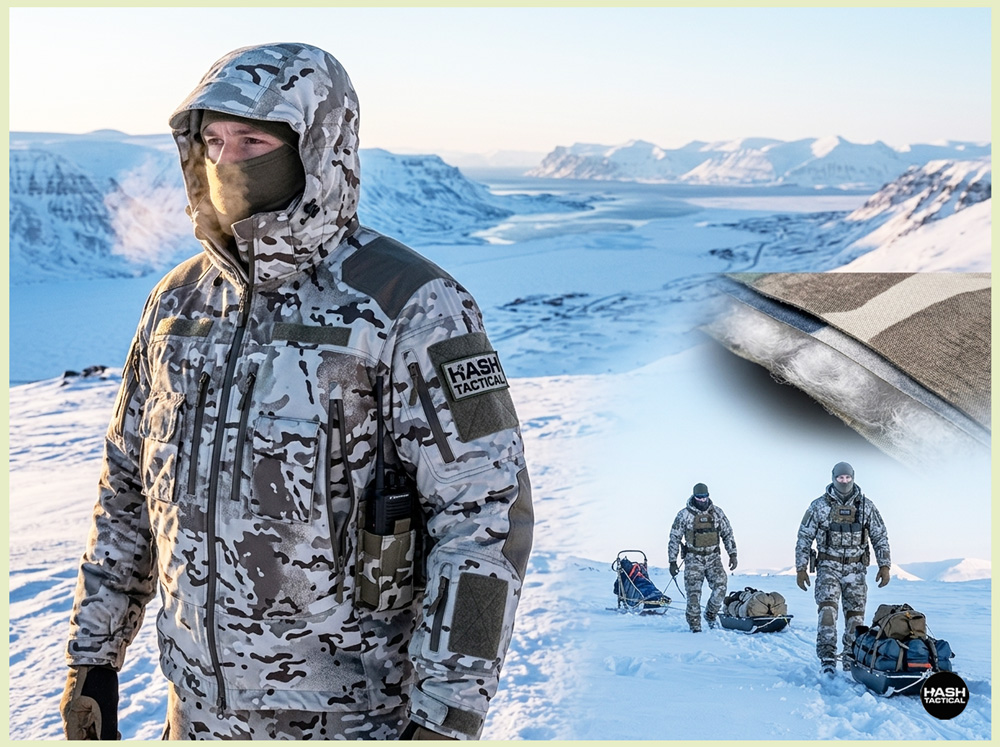
Custom tactical winter jackets are the difference between operating with confidence and fighting the cold instead of the mission. For cold-weather operators — military personnel, law enforcement, and serious survivalists — off-the-shelf jackets rarely fit body armor, load-bearing gear, or unique climate demands. A custom insulated tactical coat solves this by matching fit, thermal insulation, and weatherproofing to your exact operating environment.
If you need arctic-ready outerwear that works with your kit instead of against it, a tailored solution is worth the investment. Buy Your Winter Jacket and gear up before the next cold snap.
Below, we break down everything you need to know: insulation types, fabric technology, fit considerations, layering systems, and how to choose a custom cold-weather outerwear provider that won’t let you down at -20°F.
Why Standard Winter Jackets Fail Tactical Operators
Retail winter jackets are built for commuting, not combat or field survival. They fall short in three critical ways.
Fit conflicts with gear. Most commercial jackets are cut for casual wear, not to sit under plate carriers, chest rigs, or backpack straps. This creates bulk, restricts movement, and can compromise weapon presentation.
Insulation doesn’t match exertion levels. Operators move between periods of intense activity and long stationary watches. A jacket insulated for one state often overheats or underheats in the other.
Durability doesn’t hold up. Field environments include abrasion from rope, vegetation, vehicles, and repeated stress on zippers and seams. Fashion-grade jackets fail fast under this kind of use.
A custom tactical winter jacket is engineered around these realities from the start, not retrofitted after the fact.
Core Components of a Custom Tactical Winter Jacket
1. Thermal Insulation
Thermal insulation is the heart of any cold-weather system. The right type depends on your climate, activity level, and weight tolerance.
| Insulation Type | Best For | Warmth-to-Weight | Wet Performance |
|---|---|---|---|
| Synthetic (PrimaLoft-style) | Wet/variable climates | Good | Retains warmth when damp |
| Down (goose/duck) | Dry, extreme cold | Excellent | Poor when wet |
| Hybrid synthetic/down | Mixed conditions | Very good | Good |
| Fleece liners | Active layering | Moderate | Good |
For most tactical applications in variable or wet conditions, synthetic or hybrid insulation is the safer choice. Down offers superior warmth in dry arctic conditions but loses insulating power when saturated — a serious risk during river crossings or heavy snowfall.
2. Weatherproof Outer Layer
The weatherproof layer is your first line of defense against wind, snow, and rain. Custom cold-weather outerwear typically uses one of the following shell types.
- Hardshell: Fully waterproof, windproof, minimal stretch. Best for static cold, high wind, or heavy precipitation.
- Softshell: Water-resistant, breathable, more flexible. Best for high-movement operations where breathability matters more than full waterproofing.
- Hybrid shell: Hardshell panels in high-exposure zones (shoulders, chest) with softshell elsewhere for mobility.
A custom softshell jacket is often preferred by operators who move constantly, since it balances weather resistance with the flexibility needed for climbing, crawling, and weapons handling.
3. Fit and Cut
Fit determines whether a jacket helps or hinders performance. Custom cold-weather outerwear should account for:
- Articulated elbows and shoulders for full range of motion
- Extra room across the chest and back for body armor
- Adjustable cuffs, hem, and hood to seal out wind and snow
- Gusseted underarms to prevent tearing during dynamic movement
A properly fitted jacket should layer over a base and mid layer without restricting movement, and still seal effectively when those layers are removed.
Layering Systems for Winter Operations
No single jacket replaces a full layering system. A custom tactical winter jacket works best as the outer shell in a three- or four-layer system.
- Base layer — Moisture-wicking material worn against skin to manage sweat.
- Insulating mid layer — Fleece or synthetic puffy layer for core warmth.
- Tactical shell (the custom jacket) — Weatherproof, windproof, gear-compatible outer layer.
- Optional extreme layer — Heavy parka or bib for static watches in severe cold.
Example Layering by Temperature
| Temperature Range | Recommended Layers |
|---|---|
| 40°F to 32°F | Base layer + softshell tactical jacket |
| 32°F to 15°F | Base + fleece mid layer + softshell or hybrid shell |
| 15°F to -10°F | Base + heavy mid layer + insulated hardshell |
| Below -10°F | Full system + extreme-weather parka for static positions |
Matching the jacket to expected exertion, not just the thermometer, prevents both hypothermia and dangerous overheating and sweat buildup.
Customization Options That Matter
When ordering a custom insulated tactical coat, focus customization on features that affect function in the field, not just appearance.
Functional Customization
- MOLLE/PALS webbing placement for modular pouch attachment
- Reinforced high-wear zones at elbows, cuffs, and shoulders
- Concealed zip pockets for maps, radios, or medical supplies
- Radio and hydration port routing
- Hood compatibility with helmets and communication headsets
- Color and pattern matching to unit camouflage requirements
Comfort and Practical Add-ons
- Adjustable internal waist cinch for heat retention
- Two-way zippers for seated or vehicle-based operations
- Removable liners for use across multiple seasons
- Name tape and rank/insignia attachment points
Every added feature should answer one question: does this improve function in a real cold-weather scenario? If not, it’s added weight and cost without benefit.
Fabric Technology: What Actually Keeps You Warm and Dry
Understanding fabric technology helps you evaluate any custom cold-weather outerwear provider’s claims.
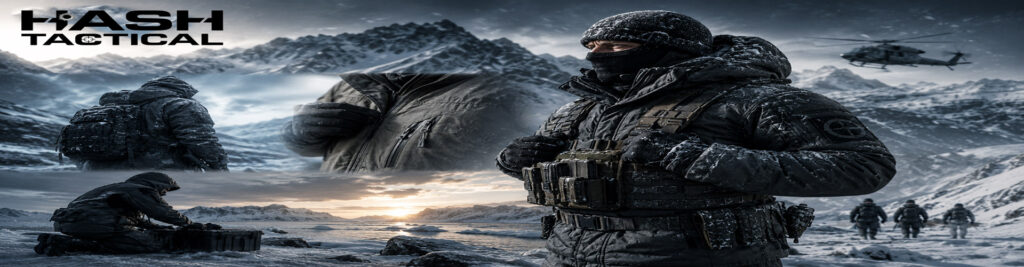
Waterproof-breathable membranes (such as laminated multi-layer fabrics) block external moisture while allowing internal vapor to escape. This prevents the “wet from the inside” problem common with fully waterproof but non-breathable materials.
Durable water repellent (DWR) coatings cause water to bead and roll off the outer fabric surface. DWR wears down over time and use, so a quality custom jacket should allow for re-treatment.
Ripstop weaves use reinforced grid patterns woven into the fabric to stop small tears from spreading — critical for field durability.
Windproof laminates block wind penetration entirely, which matters more for perceived warmth than insulation thickness alone. Wind chill can strip heat far faster than still cold air.
A jacket combining a windproof, water-resistant shell with breathable venting typically outperforms a “fully waterproof” jacket that traps sweat during high-exertion movement.
Military Specifications vs. Commercial Standards
Military and law enforcement buyers often need jackets that meet or reference specific performance standards, even for individually customized orders.
- MIL-SPEC construction refers to stitching, fabric weight, and durability benchmarks used in issued gear, often reinforced seams and mil-spec zippers.
- NIJ compatibility matters when a jacket must accommodate concealed or external body armor without restricting draw or movement.
- IR (infrared) signature management is relevant for jackets worn with night-vision or thermal-sensitive operations; some custom fabrics are treated to reduce IR reflectivity.
If your unit or agency has specific procurement requirements, confirm with your custom cold-weather outerwear provider that materials and construction can meet those specifications before ordering in bulk.
How to Choose a Custom Tactical Jacket Provider
Not all “custom” offerings are equal. Some are limited to color and patch placement; others offer true made-to-measure construction. Use this checklist when evaluating a provider.
Provider Evaluation Checklist
- Offers true fit customization (not just color/pattern selection)
- Uses named, verifiable fabric technologies (not vague “weatherproof” claims)
- Provides insulation type and fill weight specifications
- Supports MOLLE/PALS and modular attachment customization
- Has experience with military, LE, or expedition-grade orders
- Offers sizing support for wear over body armor
- Provides warranty or repair options for field damage
A provider that can answer detailed questions about insulation fill power, fabric denier, and seam construction is more likely to deliver a jacket built for real conditions rather than a rebranded commercial shell.
Common Mistakes When Ordering Custom Cold-Weather Gear
Even experienced operators make avoidable errors when ordering custom tactical outerwear.
Ordering too tight. A jacket that fits well without gear often becomes restrictive once armor and a mid layer are added. Always size for your full winter loadout, not just the jacket alone.
Over-insulating for static roles only. Jackets built purely for standing watch can cause dangerous overheating and sweat accumulation during movement, which then chills the body rapidly once activity stops.
Ignoring hood and collar compatibility. A hood that doesn’t fit over a helmet or ballistic hearing protection becomes useless in the exact conditions it’s needed most.
Choosing appearance over function. Camouflage matching matters, but not at the expense of breathability, seam sealing, or insulation quality.
Skipping care instructions. DWR coatings and technical membranes degrade faster without proper washing and re-treatment, shortening jacket lifespan significantly.
Maintenance Tips to Extend Jacket Lifespan
Proper care keeps a custom insulated tactical coat performing season after season.
- Wash with technical detergent, not standard fabric softeners, which can degrade waterproof membranes.
- Re-apply DWR treatment after heavy use or when water stops beading on the surface.
- Air dry or tumble dry on low heat according to manufacturer guidance to reactivate DWR coatings.
- Inspect zippers and seams regularly for wear, and repair small tears before they spread.
- Store uncompressed when possible to preserve insulation loft, especially for down-filled jackets.
Frequently Asked Questions
Custom jackets are built to individual measurements, mission requirements, and gear compatibility, while issued coats are standardized for broad fit ranges and general use.
Synthetic insulation performs better in wet or variable conditions since it retains warmth when damp. Down offers superior warmth-to-weight in dry, extreme cold but loses effectiveness when wet.
Yes, when paired with proper base and mid layers. Softshell jackets excel in high-movement conditions but may need a hardshell or heavier parka for static exposure in extreme cold.
Production timelines vary by provider and order complexity, so confirm current lead times directly with your chosen manufacturer before ordering for a time-sensitive deployment or expedition.
It can, if you specify armor dimensions and required range of motion during the sizing process. This is one of the main advantages of custom over off-the-shelf jackets.
Insulation needs depend on expected temperature range, activity level, and personal cold tolerance. Providing your typical operating environment to your provider helps them recommend appropriate fill weight.
Final Word: Gear Up Before the Cold Sets In
Cold-weather operations punish unprepared gear fast. A custom tactical winter jacket, built with the right thermal insulation, a true weatherproof layer, and a fit designed around your loadout, keeps you focused on the mission instead of fighting your own equipment.
Whether you need a custom softshell jacket for high-mobility patrols or a heavier insulated tactical coat for static arctic watches, the right custom build pays for itself the first time conditions turn severe.
Buy Your Winter Jacket and get outfitted with cold-weather gear built for real operations, not just cold commutes.
👉 For more information before purchasing your desired custom tactical gear, feel free to contact our support team for guidance!