How to Choose a Custom Tactical Windbreaker for Range Training
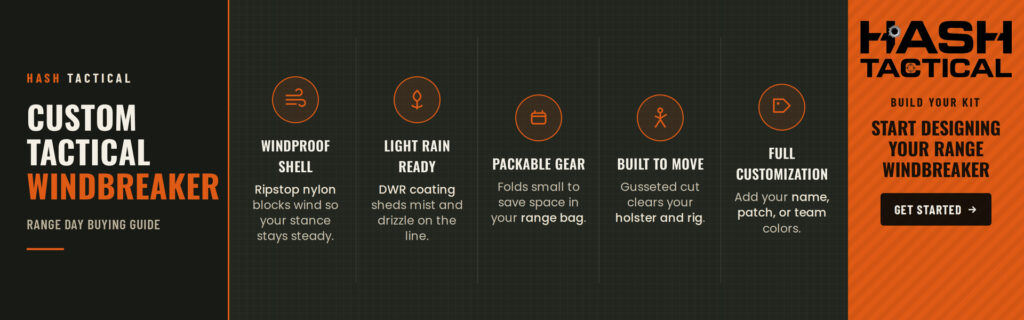
Pick a custom tactical windbreaker with a ripstop nylon shell, a DWR (durable water repellent) coating, and a packable design. That combo blocks wind, sheds light rain, and stuffs into a range bag. If you shoot competitively, fit and mobility matter as much as fabric. This guide compares your real options so you can order a range day jacket that actually works when the wind picks up on stage three.
Why Range Day Jackets Need to Be Different
Most jackets are built for walking around town. A range day jacket has a harder job. It has to move with you when you draw, reload, or drop into a kneeling position. It also has to survive brass hitting the sleeve and gear rubbing against the shoulders all day.
That’s why generic windbreakers fall short at competitions. They bind at the shoulders. They flap in the wind and mess with your sight picture. A custom windproof outerwear piece, built for range use, fixes both problems.
Custom builds also let you add your name, team logo, or squad patch. That’s a small thing, but it matters at big matches where dozens of shooters look the same in stock gear.
What “Custom” Actually Means Here
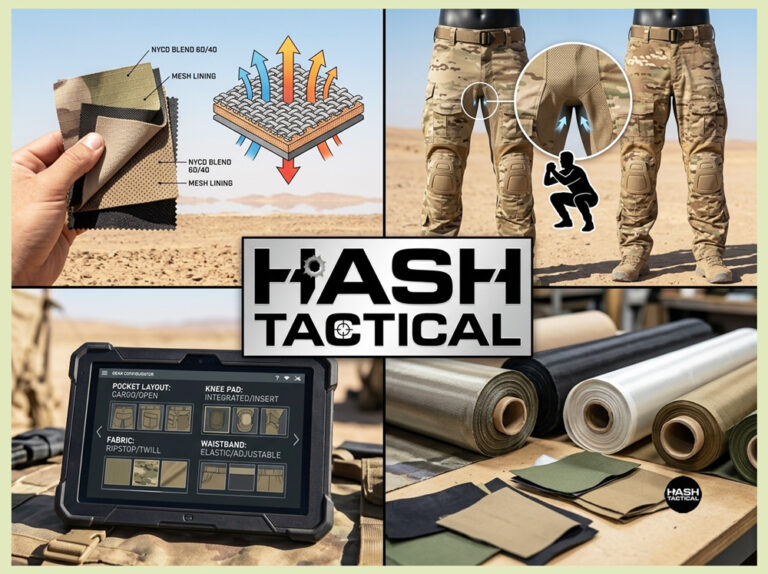
Custom doesn’t just mean a logo on the chest. A real custom tactical windbreaker lets you choose:
- Fabric weight (lighter for summer matches, heavier for cold mornings)
- Cut and fit (athletic, relaxed, or tactical boxy)
- Pocket placement (chest pocket for a phone, hand pockets that clear a belt rig)
- Color and pattern (solid colors, camo, or team colors)
- Branding (embroidered name tape, patches, team logo)
Some shooters only need a color change. Others want a jacket built around their holster and mag pouch setup. Both count as custom, but the second one takes more planning.
Ripstop Nylon vs. Other Shell Fabrics
The shell fabric is the most important choice you’ll make. Here’s how the common options stack up.
| Fabric | Wind Resistance | Water Resistance | Durability | Weight | Best For |
|---|---|---|---|---|---|
| Ripstop Nylon | High | Good (with DWR coating) | Very high | Light | Range days, rough handling |
| Standard Polyester | Medium | Medium | Medium | Light | Casual wear, warm weather |
| Softshell | Medium-High | Low-Medium | High | Medium-Heavy | Cold weather, low wind |
| Nylon-Poly Blend | High | Medium | High | Light-Medium | All-around use |
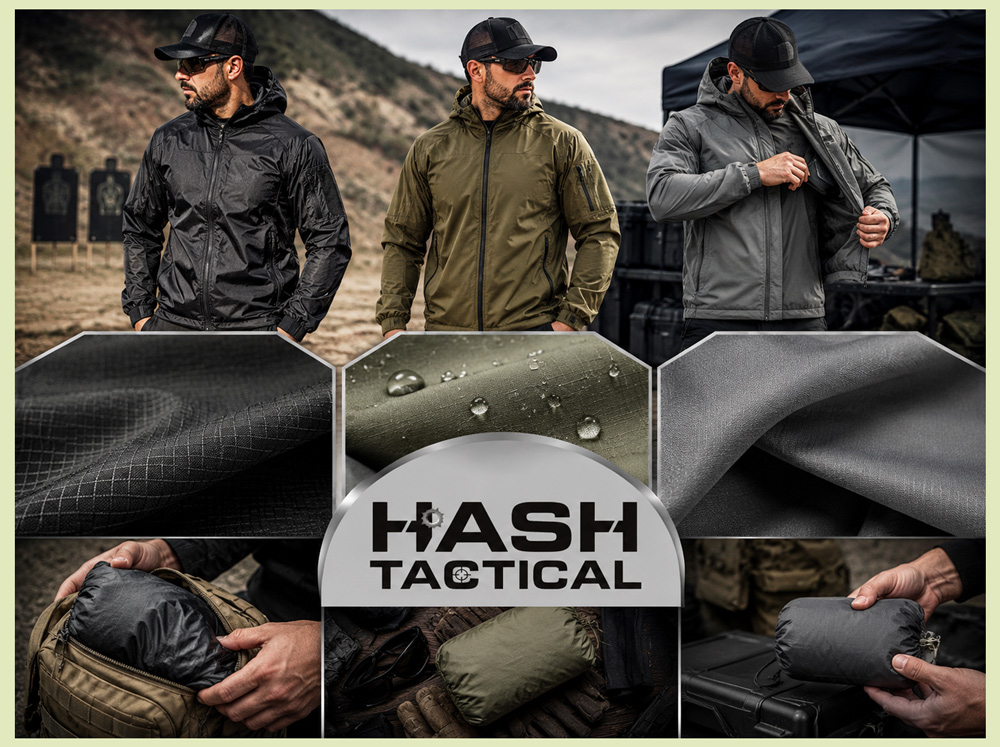
Ripstop nylon wins for range use. The name says it all. It’s woven with a reinforcing thread pattern that stops small tears from spreading into big rips. If your jacket snags on a barricade prop or brass catches the fabric, ripstop nylon holds up.
Softshell fabric feels nice and blocks cold well, but it soaks up water fast. That’s a problem if a match runs into drizzle. Standard polyester is cheap and light, but it tears easier and doesn’t block wind as well over time.
For most competitive shooters, ripstop nylon with a DWR finish is the safe, proven choice.
Windproof vs. Water-Resistant: Know the Difference
These two terms get mixed up a lot. Here’s the real difference.
Windproof means air can’t pass through the fabric. This matters for accuracy. Wind pushes your jacket around, which can shift your stance or nudge your support hand. A true windproof shell stays still.
Water-resistant means the fabric sheds light rain and mist. It is not the same as waterproof. Waterproof jackets are heavier, stiffer, and usually too bulky for range movement.
For range day use, you want windproof first and water-resistant second. Full waterproof gear is overkill unless you shoot in constant heavy rain, which most matches won’t run in anyway.
Quick Test Before You Buy
Ask the supplier these three questions:
- Does the shell have a windproof membrane or tight weave?
- What’s the DWR rating or coating type?
- Is the fabric taped at the seams, or just coated?
If they can’t answer clearly, that’s a sign to look elsewhere.
Packable Gear: Why Size Folded Matters
A range bag only has so much room. Between mags, ear pro, a shot timer, and a spare belt, jacket space is limited.
Packable gear solves this. A good range day jacket should:
- Fold down to the size of a rolled-up towel
- Weigh under a pound in most cases
- Have a built-in stuff pocket or included sack
Heavier softshell jackets fail this test. They’re warm, but they eat up bag space and add weight you don’t need mid-match. If you’re driving to multiple matches a season, packable gear also saves trunk space.
Fit and Mobility for Shooting Positions
Fit changes everything for a shooter. A jacket that looks fine standing up can bind badly in a kneeling or prone position.
Look for these features:
- Articulated elbows: pre-bent sleeves that don’t pull tight when you raise your arms
- Gusseted underarms: extra fabric panels that stop the jacket from riding up
- Action back panel: a pleat across the shoulders for reach
- Elastic or adjustable cuffs: keeps sleeve fabric from bunching near your grip
A boxy, non-tactical cut restricts your draw and can even snag your holster. Hash Tactical builds range jackets with these movement panels built in, since most stock windbreakers on the market skip them entirely.
Custom Windbreaker vs. Off-the-Shelf: Side-by-Side
| Feature | Off-the-Shelf Windbreaker | Custom Tactical Windbreaker |
|---|---|---|
| Fit for shooting stances | Rarely tailored | Built for movement |
| Branding options | None or limited | Full custom (patches, name, team logo) |
| Fabric choice | Fixed | Choose ripstop nylon, weight, coating |
| Pocket layout | Standard | Placed around gear and holster |
| Team uniformity | Hard to match | Easy to standardize across a squad |
| Cost | Lower upfront | Slightly higher, better long-term fit |
Off-the-shelf jackets work fine for casual range trips. But if you compete regularly, a custom build pays off in comfort and consistency. You stop fighting your gear and start focusing on your stage plan.
Range Gear Customization: What to Prioritize First
If you’re new to ordering custom gear, prioritize in this order:
- Fabric and windproofing: this affects performance every single time you shoot.
- Fit around your rig: make sure the jacket clears your holster, mag pouches, and belt.
- Pocket placement: put pockets where your hands actually go, not just where they look good.
- Branding: name, patch, or team colors come last, since they don’t affect function.
Skipping straight to branding without nailing fit and fabric is the most common mistake first-time buyers make.
Color and Visibility Considerations
Match rules sometimes limit colors, especially at outdoor 3-gun or USPSA events with range safety officers watching from a distance. Bright colors like orange or yellow help RSOs track shooters on the line. Muted tones and camo work better for tactical-style matches or low-light stages.
Check your match’s dress code before locking in a color. A custom order lets you switch colors per season or per match type without buying a whole new wardrobe of jackets.
Care Tips to Make Your Windbreaker Last
A custom jacket is an investment. Keep it in shape with these steps:
- Machine wash cold, gentle cycle
- Skip fabric softener, it breaks down DWR coating
- Air dry or tumble dry on low heat
- Reapply DWR spray every season or after heavy use
- Store folded, not crumpled, to protect the ripstop weave
Following these steps keeps the windproof and water-resistant performance from fading after a few washes.
Frequently Asked Questions
Not on its own. A windbreaker blocks wind, which helps you feel warmer, but it’s not insulated. Layer a base layer or fleece underneath for cold mornings.
Yes. Custom orders let you standardize color, logo placement, and sizing across a whole squad. This is common for teams that compete together at regional and national matches.
Turnaround varies by order size and design complexity. Simple color and logo changes move faster than full custom cuts with unique pocket layouts.
Ripstop nylon has a reinforced grid pattern woven into it. If a small tear starts, the reinforcement stops it from spreading. Regular nylon tears in a straight line once it starts.
Only if you regularly shoot in heavy, sustained rain. For most matches, water-resistant with windproofing covers light rain and mist just fine, and it’s lighter and more packable.
Final Take
A custom tactical windbreaker isn’t about looking sharp on the line, though it doesn’t hurt. It’s about removing one more variable between you and a clean stage. Ripstop nylon, real windproofing, packable size, and a fit built around your gear all add up to a jacket that works with you instead of against you.
Hash Tactical builds range jackets around these exact priorities, starting with fabric and fit before anything else. If you’re ready to stop wrestling with a stock jacket that wasn’t built for shooting, it’s time to build one that was.
Start Designing Your Range Windbreaker → Contact us, designer team, now.