Custom Tactical Vests for Private Military Contractors: A Full Buying Guide
A custom tactical vest is not body armor. It’s the load-bearing layer that holds your gear, your team markings, and your comfort together during long shifts. If you’re a PMC who needs a vest that fits your body, your mission, and your unit’s look, a custom tactical vest beats an off-the-shelf option almost every time. Custom builds let you pick pocket layout, fabric weight, and ID panels so the vest works the way you work. Hash Tactical builds these tactical vests to order, and this guide breaks down what to look for before you order one.
What Is a Custom Tactical Vest, Really?
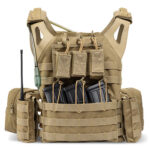
A tactical vest is the outer layer that carries your mags, radio, med kit, and tools. It sits over or instead of a plate carrier, depending on your job.
A custom vest means you choose the parts. You pick:
- Pocket size and placement
- Fabric type and color
- ID panel style (name tape, unit patch, flag)
- Strap and buckle hardware
- Cummerbund width and stretch
Off-the-shelf vests come in fixed sizes with fixed pockets. If your job needs a radio pouch on the left chest and a trauma kit on the right hip, a stock vest may not have that option. A custom build does.
Vest vs. Plate Carrier: They’re Not the Same Thing
This trips up a lot of new contractors. A plate carrier holds armor plates. A tactical vest holds gear. Some vests have plate pockets built in, but many PMC teams run a separate lightweight vest over soft armor or under an outer carrier, just for pouches and pockets.
| Feature | Plate Carrier | Tactical Vest |
|---|---|---|
| Main job | Holds hard armor plates | Holds gear and pouches |
| Weight | Heavy (with plates) | Light to moderate |
| Customization | Limited to MOLLE webbing | Full pocket and panel redesign |
| Worn how | Usually outer layer | Outer or mid-layer |
| Best for | Direct threat zones | Daily ops, training, static security |
If your contract calls for full armor, you’ll still want a vest layer for your day-to-day gear. That’s where custom builds earn their keep.
Why PMCs Need Personalized Load-Bearing Apparel
Every contract is different. A convoy security job needs different gear placement than a static guard post. A K9 handler needs different pockets than a comms specialist.
Personalized load-bearing apparel solves three problems that stock vests can’t:
- Body fit. Contractors come in all shapes and sizes. A vest built for an average frame digs into shoulders or rides up on taller guys.
- Gear placement. You know your draw hand. You know which pocket you reach for under stress. Custom builds put pouches where your muscle memory expects them.
- Team identity. Clients often want contractors to look uniform. Custom ID panels and matching colors make a team look sharp and professional.
A vest that fits right also cuts fatigue. Less shifting and less chafing means more focus on the job, not the gear.
Key Features That Matter Most
Customizable Utility Pockets
Pocket layout is the biggest reason contractors go custom. Stock vests guess at what you need. A custom order lets you specify:
- Mag pouch count and caliber size
- Admin pockets for pens, notepads, or a phone
- Med pouch placement for fast access
- Hydration bladder routing
Think of it like ordering a sandwich. Stock is the pre-made version on the shelf. Custom is telling the shop exactly what goes in, in the order you want it.
Hook-and-Loop Identification Panels
Hook-and-loop identification panels, better known as Velcro panels, let you swap patches fast. This matters for PMCs who:
- Work under different flags on different contracts
- Need blood type or name tape visible for medics
- Switch between IR patches for night work and standard patches for daytime
A good panel setup includes front chest, shoulder, and back placement, so ID is visible from every angle.
Rugged Canvas Face Fabric
The outer fabric takes the beating. Rugged canvas face fabric holds up against:
- Rope and gear abrasion
- Vehicle mounts and door frames
- Dust, mud, and repeated washing
Canvas blends (often cotton-poly or nylon-canvas) resist tearing better than thin nylon alone. Heavier canvas adds a bit of weight, but it lasts years longer under daily wear.
Comparing Vest Build Options
Not all custom vests are built the same way. Here’s how the main options stack up.
| Build Type | Fabric Weight | Best For | Trade-Off |
|---|---|---|---|
| Lightweight nylon | Light | Hot climates, foot patrols | Wears out faster |
| Canvas-nylon blend | Medium | General PMC use | Slightly heavier |
| Heavy canvas | Heavy | Static posts, vehicle work | Less breathable |
| Ripstop hybrid | Medium-light | Mixed climate ops | Higher cost |
Choosing by Contract Type
- Convoy security: Go with canvas-nylon blend for durability and moderate weight.
- Static guard posts: Heavy canvas holds up to constant contact with vehicles, gates, and equipment.
- Foot-heavy patrol work: Lightweight nylon or ripstop hybrid keeps you cooler over long shifts.
- Mixed-role teams: A ripstop hybrid splits the difference and handles most conditions.
Sizing and Fit: Don’t Skip This Step
A custom vest is only as good as its fit. Poor sizing causes:
- Shoulder strap slipping
- Cummerbund riding up when seated
- Restricted arm movement during weapon use
Fit Checklist
- Measure chest at the widest point, not just at rest.
- Account for layers worn underneath (base layer, soft armor, cold weather gear).
- Test range of motion: raise arms, kneel, turn at the waist.
- Check pocket reach with gloves on, if gloves are part of the job.
Hash Tactical takes body measurements and layering plans before cutting fabric, so the final vest matches real working conditions, not just a size chart.
Stock Vests vs. Custom Vests: Side-by-Side
| Factor | Stock Vest | Custom Vest (Hash Tactical) |
|---|---|---|
| Fit | Generic sizing | Built to your measurements |
| Pocket layout | Fixed | Fully adjustable |
| ID panels | Basic or none | Hook-and-loop, multi-position |
| Fabric choice | One option | Multiple weights and blends |
| Team uniformity | Hard to match | Easy to standardize colors and layout |
| Lead time | Fast (in stock) | Longer (built to order) |
| Cost | Lower upfront | Higher upfront, lower long-term waste |
The trade-off is simple: stock vests ship faster, but custom vests fit your actual job. For contractors who wear the same vest five or six days a week, that fit pays off fast.
How Custom Vests Hold Up Over Time
Gear takes a beating in this line of work. Trucks, gates, gravel, and long hours all wear down fabric and stitching faster than most people expect. A custom vest built with the right materials from day one saves money down the road, even though it costs more at checkout.
Stitching and Reinforcement
Stitch quality matters as much as fabric choice. Look for:
- Bar-tack stitching at stress points like strap junctions and pocket corners
- Double-row stitching along seams that carry weight
- Reinforced pull tabs on zippers
A vest with weak stitching will fail at the worst possible time, usually right where a mag pouch attaches or where a sling connects.
Hardware Choice
Buckles and clips seem small, but they carry real load. Plastic buckles work fine for light use. Metal or reinforced polymer hardware holds up better under repeated stress, especially in cold weather when plastic gets brittle.
Cleaning and Care
A custom vest lasts longer with basic care:
- Rinse mud and dust off after field use, before it dries into the fabric.
- Hand wash or use a gentle machine cycle. Avoid high heat drying, which can warp hook-and-loop panels.
- Check stitching monthly for early signs of wear.
- Store the vest flat or hung, not balled up in a bag, to keep the shape.
Cost Considerations for Teams and Individuals
Budget is always part of the decision. Here’s a general breakdown of what drives cost on a custom vest order.
| Cost Driver | Impact on Price |
|---|---|
| Fabric weight and blend | Heavier canvas costs more per yard |
| Number of pockets | Each added pouch adds material and labor |
| ID panel count | More panels mean more hook-and-loop backing |
| Team order size | Bulk orders often lower per-unit cost |
| Rush production | Faster turnaround usually costs extra |
For solo contractors, a single custom vest is a straightforward order. For teams, ordering in bulk with a shared layout template can bring the per-unit price down while still keeping each vest sized to the individual wearer.
Individual Orders vs. Team Contracts
Solo contractors have full freedom to pick every detail. Team leads managing a contract usually lock in a base layout, fabric color, and panel placement, then let each contractor’s measurements adjust the fit. This keeps the team looking uniform while still fitting each body correctly.
Real-World Scenario: Matching Gear to the Job
Picture two contractors on the same company roster. One works static security at a fixed compound. The other rotates through convoy escort duty across changing terrain.
The static guard spends hours standing near vehicles, gates, and equipment. A heavy canvas vest with reinforced pockets for radio gear and a first-aid kit makes sense here. Weight is less of a concern since movement is limited.
The convoy contractor needs to move fast, climb in and out of vehicles, and stay cool in changing weather. A lighter ripstop hybrid vest with a streamlined pocket layout serves that role better. Fewer pockets, but placed for fast access, beats a heavy vest loaded with pouches that never get used.
This is the real value of going custom. The same company, the same contract, but two different vest builds because the jobs are different. Hash Tactical works through this kind of scenario planning with contractors before any fabric gets cut, matching build choices to the actual day-to-day task list rather than a generic template.
Common Mistakes When Ordering a Custom Vest
- Skipping the layering plan. If you’ll wear body armor underneath, say so before sizing.
- Overloading pocket count. More pockets sound useful but add weight. Order what you’ll actually carry.
- Ignoring fabric climate match. Heavy canvas in extreme heat can slow you down.
- Forgetting team standards. If your contract requires matching colors or patch placement, confirm this before the order goes into production.
Custom Tactical Vests, Built For The Job
Not body armor — this is your load-bearing layer. Sized to you, packed your way, patched to match your unit.
Know The Difference
- Holds hard armor plates
- Heavy once plates go in
- Worn as outer layer only
- Holds gear, mags, pouches
- Light to moderate weight
- Worn outer or mid-layer
What Makes It Custom
Match Fabric To The Job
| Job Type | Best Fabric |
|---|---|
| Foot patrol | Lightweight nylon |
| General ops | Canvas-nylon blend |
| Static post | Heavy canvas |
| Mixed climate | Ripstop hybrid |
Stock Vest Or Custom Build?
- Fixed pocket layout
- Generic sizing
- Ships fast
- Your pocket layout
- Built to your measurements
- Made to order
Frequently Asked Questions
No. A tactical vest carries gear, not armor plates. Some vests include plate pockets, but the vest itself is not rated for ballistic protection unless plates are inserted.
Build time varies by order complexity, but custom vests generally take longer than stock options since each one is cut and assembled to your specs.
Yes. Color, panel placement, and pocket layout can all be matched across a team order.
A canvas-nylon blend offers the best mix of durability and weight for most PMC roles. Heavier canvas suits static or vehicle-heavy posts.
Usually, yes, upfront. But a vest built for your exact job tends to last longer and needs fewer replacements, which lowers cost over time.
Yes. That’s the point of hook-and-loop panels. You can move or swap ID patches as contracts or team requirements change.
Final Word
A stock vest is a guess. A custom vest is a plan. For contractors who carry the same gear day after day, that difference shows up in comfort, speed, and how long the vest lasts. Hash Tactical builds each vest around your body, your gear list, and your team’s look, using rugged canvas face fabric, adjustable utility pockets, and hook-and-loop ID panels as standard options, not upgrades.
If you’re ready to stop adjusting your gear to fit a vest, and start building a vest that fits your gear, the next step is easy.
👉 Need our expert guidance, contact our design team now!