The New Frontier of Immersive Play: How Tactical Scenario Games and Necessary Equipment Are Shaping the Future of Training Culture
Scenario gaming stopped being a hobby a long time ago. It’s now a legitimate stress-inoculation tool. First responders use it. Veterans use it. Serious civilian players use it to sharpen decision-making under pressure.
The gear is catching up to the mission. IR strobes, chem lights, medical sim kits — these aren’t accessories anymore. They’re the difference between a paintball weekend and a training event that actually changes how your brain handles chaos.
Here’s the deal: realism without standards is just risk. Realism with standards is training. This article breaks down where that line sits, why it matters, and what serious organizers and players need to know before the next scenario kicks off.
A Story Before We Start
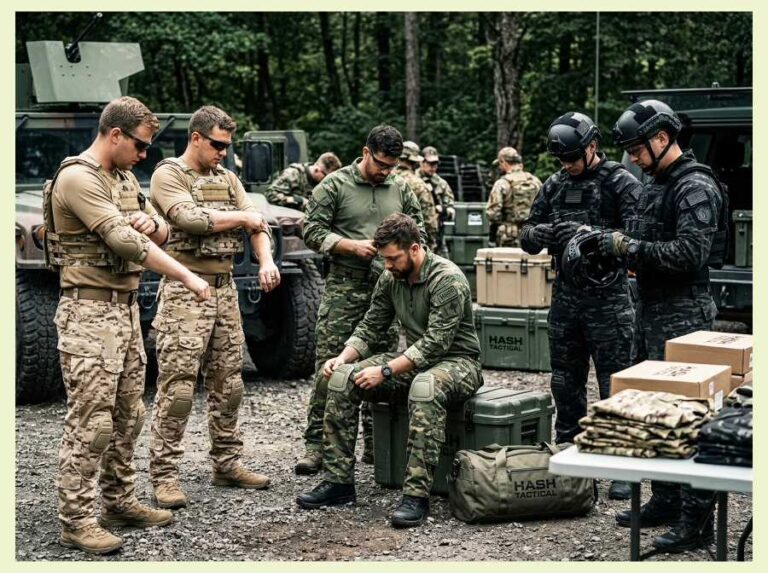
Picture a abandoned warehouse outside Phoenix. 0200 hours. Forty players split into two teams. No moonlight. Just IR strobes flickering on plate carriers and the low hum of comms chatter.
A former Army medic — call him Doc — is running casualty response inside the scenario. Someone goes “down.” Doc doesn’t know if it’s real or simulated for the first three seconds. His hands already know what to do before his brain catches up.
That three-second hesitation, then snap-back-to-training? That’s the entire point and stress inoculation. That’s why this stuff matters.
This is not airsoft for kids anymore. This is methodology.
Section 1: The Blurring Line Between Force-on-Force Training and Civilian Scenario Gaming
Same Stress, Different Uniform
Professional force-on-force (FoF) training has run on simunition, role players, and structured scenarios for decades. Police academies use it. Military units use it. The goal: build muscle memory and decision-making under controlled stress before the real thing happens.
Civilian scenario gaming — airsoft milsim, force-on-force replica events, large-scale operations (LSOs) — has been quietly absorbing the same methodology. Not the same lethality. The same psychology.
Why the Convergence Is Happening
| Driver | Professional Training | Civilian Scenario Gaming |
|---|---|---|
| Cost per training cycle | High (facility, ammo, instructors) | Low (gear reused, venues rented) |
| Frequency | Limited by budget cycles | Weekly/monthly events possible |
| Realism tools | Simunition, OC spray, role players | Replica weapons, IR gear, medical sim kits |
| Stress response training | Core objective | Increasingly core objective |
| Accessibility | Restricted to agency/unit members | Open to veterans, responders, civilians |
The convergence isn’t accidental. Departments are stretched thin on training budgets. Veterans transitioning out of service miss the adrenaline-and-purpose combo that kept them sharp. Scenario gaming fills both gaps — at a fraction of the cost.
The Equipment Standard Is the Connective Tissue
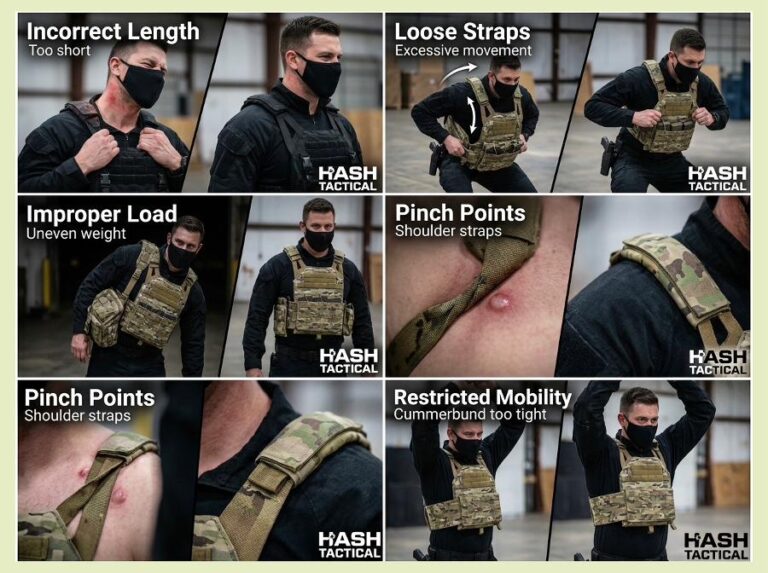
Here’s the thing nobody talks about enough: the equipment is what makes the convergence credible. A replica rifle that looks the part but doesn’t replicate weight, recoil feel, or sight picture teaches nothing useful. Plate carriers that don’t fit like the real thing don’t condition the body the same way.
When civilian gear starts mirroring issued-equipment standards — weight distribution, retention systems, comms integration — the training value goes up. That’s not a coincidence. That’s the entire industry chasing fidelity because the players started demanding it.
Section 2: Scenario Games as Low-Cost Stress Inoculation for First Responders and Veterans
What Stress Inoculation Actually Means
Stress inoculation training (SIT) is a psychological method. Expose someone to manageable, simulated stress repeatedly. The nervous system learns to regulate faster. Reaction time improves. Tunnel vision shrinks. Decision-making under pressure gets less shaky.
It’s used in:
- Police academy scenario rooms
- Military Close Quarters Battle (CQB) houses
- Emergency medicine simulation labs
- Now — increasingly — civilian scenario events
Why Scenario Gaming Fits the Bill
Formal SIT programs are expensive. Facilities, instructors, liability insurance, equipment depreciation — it adds up fast. Most agencies run these cycles once or twice a year if they’re lucky.
Scenario gaming events run monthly. Sometimes weekly in active regions. The cost to a participant: gear they already own, an entry fee, a tank of gas.
For a veteran missing structure after separation, or a deputy whose department can’t afford quarterly FoF cycles, scenario gaming becomes the only regular access point to stress-conditioned training.
A Short List of What Players Report Gaining
- Faster recognition of “threat vs. no-threat” shapes in low light
- Reduced auditory exclusion under simulated gunfire
- Better communication discipline under noise and confusion
- More controlled breathing patterns during high-tempo movement
- Improved trust in teammates during casualty scenarios
None of this replaces formal training. All of it supplements it — and for some people, it’s the only supplement available.
A Word of Caution
Stress inoculation only works if the stress is manageable. Scenarios that escalate past a participant’s coping threshold don’t build resilience — they build avoidance or trauma response. Organizers carry real responsibility here. More on that later.
Section 3: The Rise of Scenario-Specific Consumables
Beyond the Replica Weapon
For years, the conversation in this space was all about the gun. Gas blowback vs. AEG. FPS limits. Hop-up units. That conversation isn’t dead, but it’s no longer the center of gravity.
The center of gravity has moved to environmental and situational realism. That means consumables.
The Big Three Categories
1. IR Strobes and IR-Reflective Gear
Night vision-capable scenarios are no longer a novelty. IR strobes mounted to plate carriers let teammates identify friendlies through NODs (night observation devices) exactly the way real units do. This single category has done more to elevate night scenario fidelity than any weapon upgrade in the last five years.
2. Chem Lights and Marking Tools
Used for:
- Casualty marking
- Objective marking
- Route marking in low-vis conditions
- Signaling between teams without comms
Cheap. Disposable. High realism impact per dollar.
3. Medical Simulation Kits
This is the category quietly changing the culture the most. Tourniquet trainers, simulated wound kits, pressure dressing trainers — these turn “you’re hit, count to sixty” into an actual MARCH-algorithm medical response drill.
Why Consumables Matter More Than Gun Upgrades Now
| Factor | Weapon Replica Upgrade | Scenario Consumable |
|---|---|---|
| Cost | $150–$800+ | $10–$60 |
| Realism impact per dollar | Moderate | High |
| Skill trained | Marksmanship mechanics | Decision-making, medical response, comms |
| Reusability | High (durable good) | Low (consumable, replaced often) |
| Training transfer to real-world skill | Limited | Significant (especially medical) |
A $40 medical sim kit teaches more transferable skill than a $400 rifle upgrade. That’s not opinion — that’s what after-action reviews keep showing.
Section 4: Data-Driven Gear Selection — After-Action Reviews Are Changing the Equipment Game
From “Cool Gear” to “Proven Gear”
The old buying pattern: see it on a forum, buy it because it looks tactical, find out at the next event it doesn’t work.
The new pattern: structured after-action reviews (AARs) are creating actual data trails. Serious scenario communities now run AARs the way military units do — what worked, what failed, what needs to change before the next op.
What a Modern Scenario AAR Tracks
- Gear failures (zippers, retention, attachment points) under movement
- Visibility issues (IR signature too bright/dim, marking tools failing in rain)
- Comfort degradation over multi-hour events (hot spots, chafing, weight distribution)
- Medical kit usability under simulated stress (could the wearer access it one-handed?)
- Communication equipment reliability in RF-congested environments
Why This Matters for Manufacturers
When organizers and players bring AAR data back to gear makers, it forces evidence-based refinement instead of marketing-driven design. A pouch that looks great in a product photo but fails after three hours of crawling through a warehouse gets flagged — fast — in a community that documents everything.
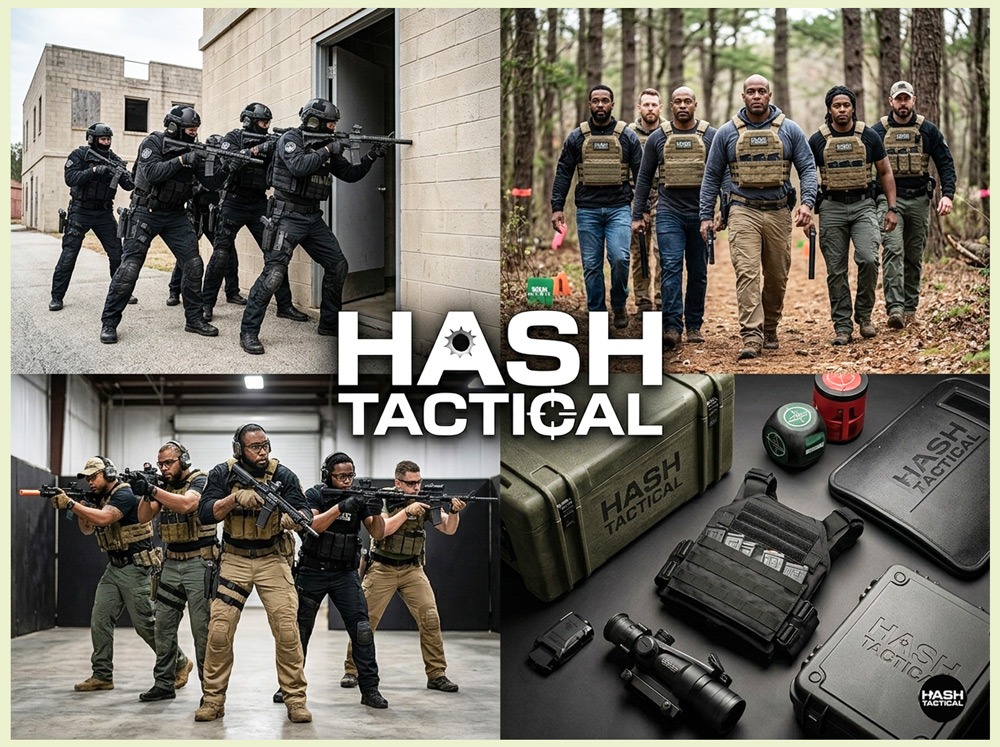
This is part of why companies built around sublimated and cut-and-sew tactical gear, like Hash Tactical, have leaned into direct feedback loops with event organizers. Gear refined against real AAR data tends to outperform gear designed in a vacuum, full stop.
A Simple AAR Template Players Can Use
- Scenario type and duration
- Gear used (list)
- What failed or underperformed
- What exceeded expectations
- Recommended changes before next use
Five lines. Takes ten minutes after an event. Worth more than any forum thread.
Section 5: Ethical and Safety Considerations — Equipment Minimums as Duty of Care
Realism Has a Ceiling
This is the part of the article that matters most, even though it’s the least fun to write.
Escalating realism is good — until it isn’t. The same intensity that builds stress tolerance can cause real harm if equipment minimums aren’t enforced. Eye injuries, concussions from improper protective gear, heat injuries from over-geared participants in summer events — these aren’t hypothetical. They happen when organizers chase realism without chasing safety standards at the same rate.
What “Equipment Minimums” Should Mean for Organizers
A responsible scenario event should require, at minimum:
- Rated eye protection — ANSI Z87.1 or equivalent, full-seal where FPS limits warrant it
- Hearing protection where pyrotechnics or high-decibel effects are used
- Medical kit on-site — real one, not simulated, staffed by someone trained to use it
- Clear FPS/energy limits enforced with chronograph testing, not honor system
- Defined “knock it off” protocol that overrides scenario immersion instantly
- Heat/cold contingency plans — hydration stations, rest cycles, weather thresholds
Why This Is a Duty-of-Care Issue, Not a Preference Issue
Organizers running events with escalating realism are, functionally, running a risk-management operation. Whether or not waivers are signed, courts and communities increasingly treat “we knew the risks and didn’t mitigate them” differently from “we knew the risks and built standards around them.”
A Short Comparison Table: Realism vs. Risk Mitigation
| Realism Feature | Risk Introduced | Mitigation Standard |
|---|---|---|
| Low-light/no-light scenarios | Collisions, disorientation | Mandatory IR markers, controlled boundaries |
| Simulated casualties | Misjudged real injuries | Trained medical staff on standby |
| High-tempo CQB movement | Falls, joint injuries | Pre-event physical screening, terrain walk-throughs |
| Pyrotechnic effects | Burns, hearing damage | Certified operators only, exclusion zones |
| Extended multi-hour ops | Heat illness, dehydration | Mandatory hydration breaks, medic checks |
The Bottom Line on Ethics
Realism should serve the training goal. The moment realism starts serving ego or spectacle instead, it’s no longer training — it’s liability waiting to happen. Good organizers know the difference and build their equipment minimums around it, not around what looks impressive in event photos.
Where This Is Heading
Scenario gaming isn’t replacing professional training. It’s filling gaps professional training can’t afford to fill at scale. Veterans get a structured outlet. First responders get reps they wouldn’t otherwise get. Civilian players get access to a discipline that used to be locked behind a uniform.
The gear is following the mission, not leading it. Companies producing serious tactical equipment — Hash Tactical included — are increasingly designing around what AARs and real event data actually show works, not what looks good in a catalog.
That’s the real story here. Not the gear. The discipline behind it.
FAQ About Tactical Scenario Games
Milsim is one form of scenario gaming, focused on military simulation. Scenario gaming is broader — it includes law enforcement-style FoF events, medical response drills, and hybrid civilian-professional training days.
No, but you need gear that meets the event’s stated minimums — eye protection, FPS-compliant replicas, and appropriate protective layers. “Professional-grade” and “safety-compliant” aren’t always the same thing, but compliant gear is non-negotiable.
Some participants report benefits from the structure and controlled stress exposure. It is not a substitute for clinical treatment. Anyone managing PTSD symptoms should coordinate with a licensed mental health provider before using high-intensity scenario events as a coping tool.
Based on AAR trends across the community, a properly stocked, accessible medical simulation/trauma kit consistently ranks above cosmetic or weapon upgrades for training value.
Pre-event gear checks, chronograph testing for FPS limits, and a clearly published equipment standard distributed before registration — not announced on-site — tend to produce the fewest disputes and the safest outcomes.
All signs point to yes. Departments face shrinking training budgets. Veteran communities are actively seeking structured outlets. The gear industry is responding with higher-fidelity, AAR-informed products. The convergence between professional and civilian training culture shows no sign of slowing down.